Innovations in Fluid Handling Technology: Exploring the Latest Trends in Industrial Pumping Systems
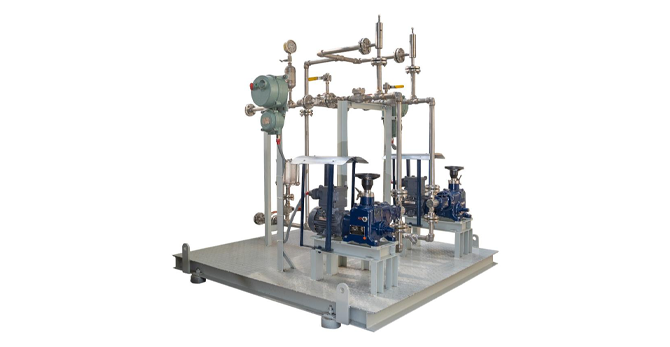
The industrial landscape is constantly evolving, with advancements in technology driving efficiency, reliability, and precision in various processes. Fluid handling, a critical aspect of many industrial operations, has seen significant innovations in recent years. These innovations are transforming how industries manage fluids, leading to enhanced performance and reduced operational costs. In this blog, we’ll explore the latest trends in industrial pumping systems and how they are revolutionizing fluid handling technology.
Smart Pumping Systems
One of the most notable trends in fluid handling technology is the integration of smart technologies into pumping systems. Smart pumps are equipped with sensors, IoT connectivity, and advanced control systems that enable real-time monitoring and data analysis. This innovation offers several benefits:
-
1. Predictive Maintenance:
Smart pumps can monitor their own performance and detect signs of wear or potential failures. This allows for predictive maintenance, reducing downtime and extending the lifespan of the equipment.
-
2. Energy Efficiency:
By continuously monitoring operating conditions, smart pumps can optimize their performance to minimize energy consumption. This is particularly important in industries where pumps account for a significant portion of energy use.
-
3. Remote Monitoring and Control:
IoT connectivity enables remote monitoring and control of pumping systems. Operators can access real-time data and make adjustments from anywhere, enhancing operational flexibility and efficiency.
Advanced Materials and Coatings
The development of new materials and coatings is another significant trend in fluid handling technology. These innovations aim to enhance the durability, efficiency, and compatibility of pumping systems with various fluids.
-
1.Corrosion-Resistant Materials :
Pumps are often exposed to harsh chemicals and environments. The use of corrosion-resistant materials, such as stainless steel and advanced polymers, ensures longevity and reliability in these conditions.
-
2. Wear-Resistant Coatings:
Coatings that resist wear and abrasion extend the lifespan of pump components. This is particularly beneficial in applications involving abrasive fluids or high-pressure conditions.
-
3. Biocompatible Materials:
In the pharmaceutical and food industries, the use of biocompatible materials ensures that pumps do not contaminate the fluids they handle, maintaining product purity and safety.
Energy-Efficient Designs
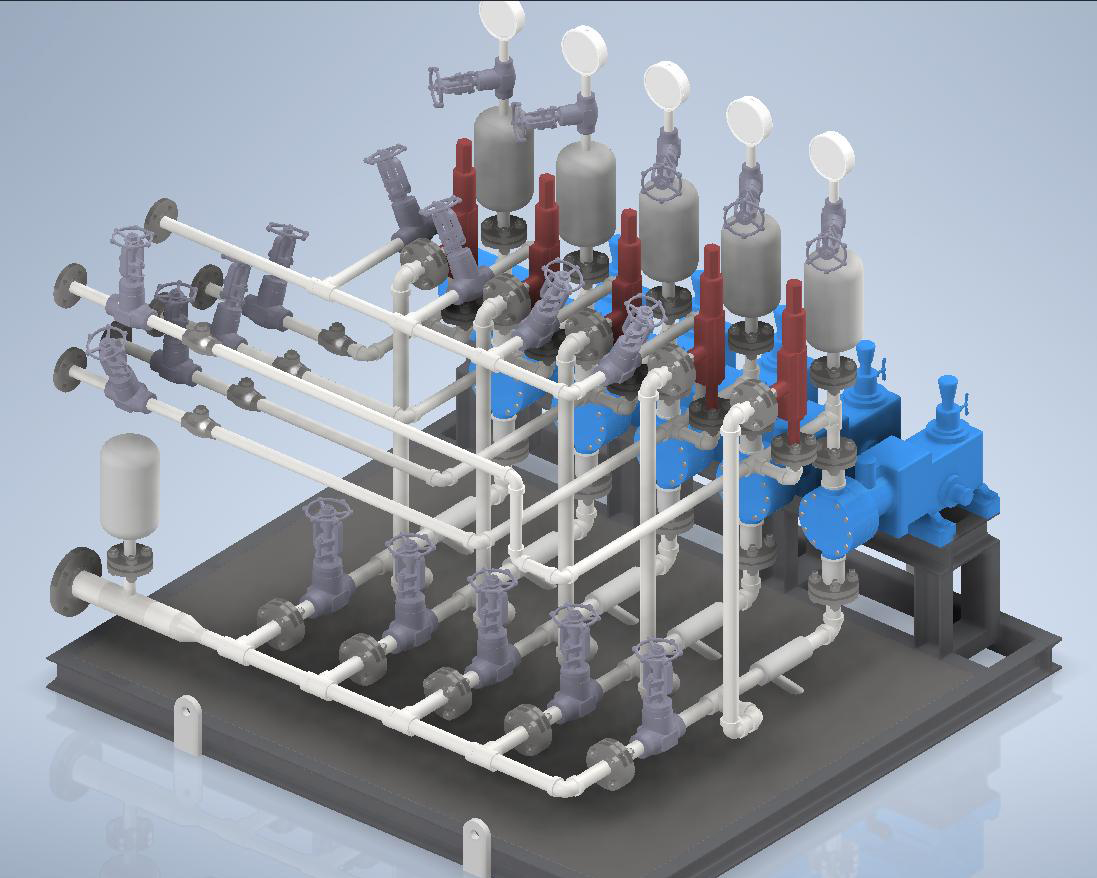
Energy efficiency is a key focus in the development of new pumping systems. Manufacturers are incorporating innovative designs and technologies to reduce energy consumption without compromising performance.
- Variable Frequency Drives (VFDs): VFDs allow pumps to adjust their speed based on demand, reducing energy consumption during periods of low demand. This not only saves energy but also reduces wear and tear on the pump.
- Hydraulic Efficiency: Advances in hydraulic design, such as optimized impeller shapes and improved flow paths, enhance the efficiency of pumps. These designs reduce energy losses and improve overall performance.
- Magnetic Drive Pumps: Magnetic drive technology eliminates the need for mechanical seals, reducing energy losses associated with friction and increasing pump efficiency. These pumps are also more reliable and require less maintenance.
Digital Twin Technology
Digital twin technology is making its way into fluid handling systems, providing a virtual replica of the physical pump. This technology offers numerous advantages:
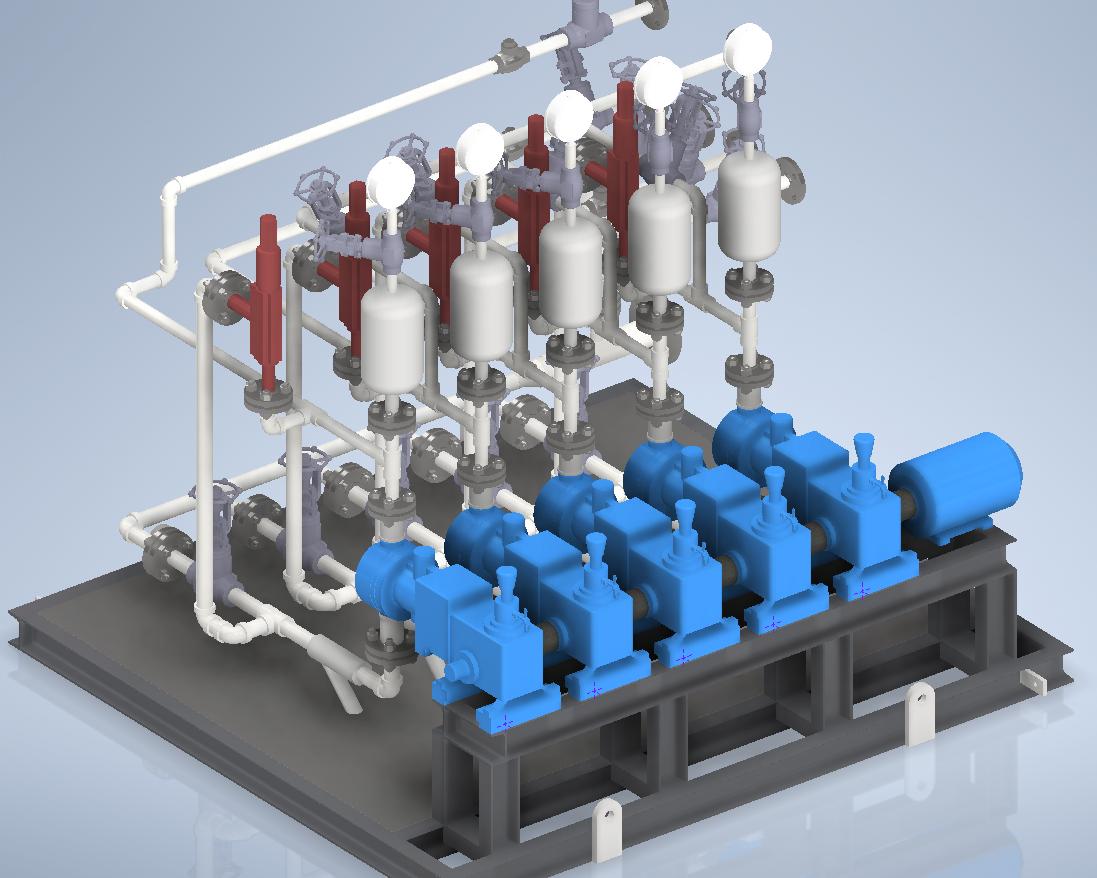
Simulation and Optimization :
Digital twins allow for the simulation of different operating conditions and scenarios. This helps in optimizing pump performance and identifying potential issues before they occur.
Improved Design :
Engineers can use digital twins to test and refine pump designs, leading to more efficient and reliable systems.
Enhanced Maintenance :
By comparing the digital twin with real-time data from the physical pump, operators can detect deviations and address maintenance needs proactively.
Integration with Automation Systems
The integration of pumping systems with broader automation and control systems is a growing trend. This integration enhances overall process efficiency and control.
- Automated Process Control : Pumps integrated with automation systems can adjust their operation based on real-time process data, ensuring optimal performance and consistency.
- System-Wide Optimization : Integration allows for the coordination of multiple pumps and other equipment, optimizing the entire fluid handling system rather than individual components.
- Enhanced Safety : Automation systems can monitor critical parameters and implement safety protocols, reducing the risk of accidents and ensuring compliance with regulations.
Conclusion
The latest trends in fluid handling technology are driving significant improvements in industrial pumping systems. From smart pumps and advanced materials to energy-efficient designs and digital twin technology, these innovations are enhancing efficiency, reliability, and performance. As industries continue to evolve, staying abreast of these trends will be crucial for maintaining competitive advantage and operational excellence.
Embracing these innovations in fluid handling technology can lead to substantial benefits for industrial operations. By investing in the latest pumping systems and integrating them with advanced technologies, industries can achieve greater precision, reduced costs, and improved sustainability. The future of fluid handling is bright, and those who leverage these trends will be well-positioned for success.